
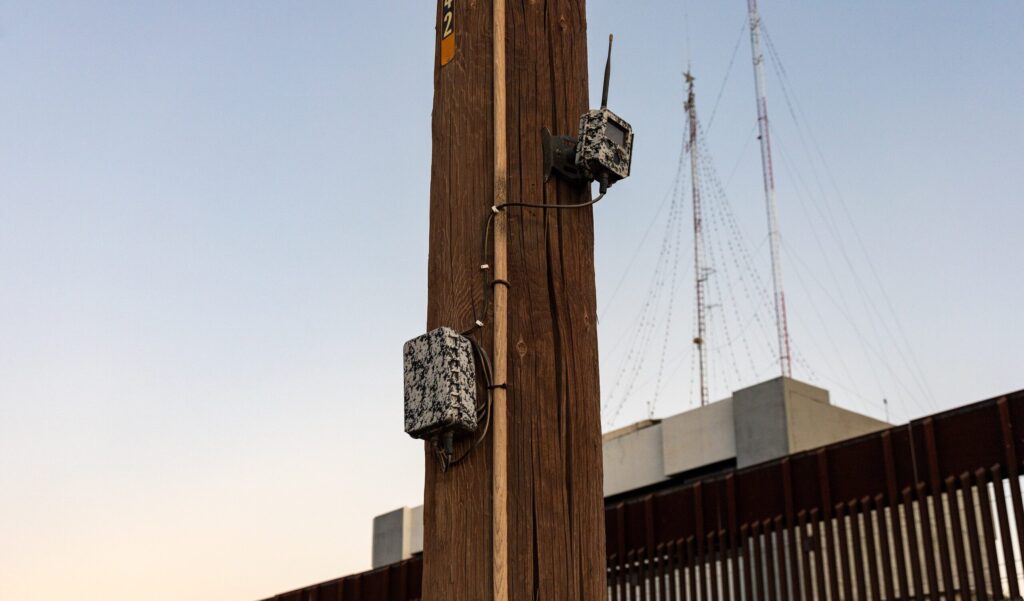
Borders as Capitalist Machinery
Zachary Levenson interviews Heba Gowayed about her work on the political economy of border securitization and migration.

Comparing the Directions in Which Ideas Travel in Ages of Reaction
DK Renton compares the ideological balance of power between reactionary hegemons and their allies in the interwar period and today.

Bad Energy
Dan Boscov-Ellen interviews Joshua Frank about ecosocialism and the often overlooked costs of the transition to renewable energy.

The Loyalism of the Belfast Riots
Shane Burley tracks the Loyalist history fueling the anti-immigrant pogroms in Belfast.
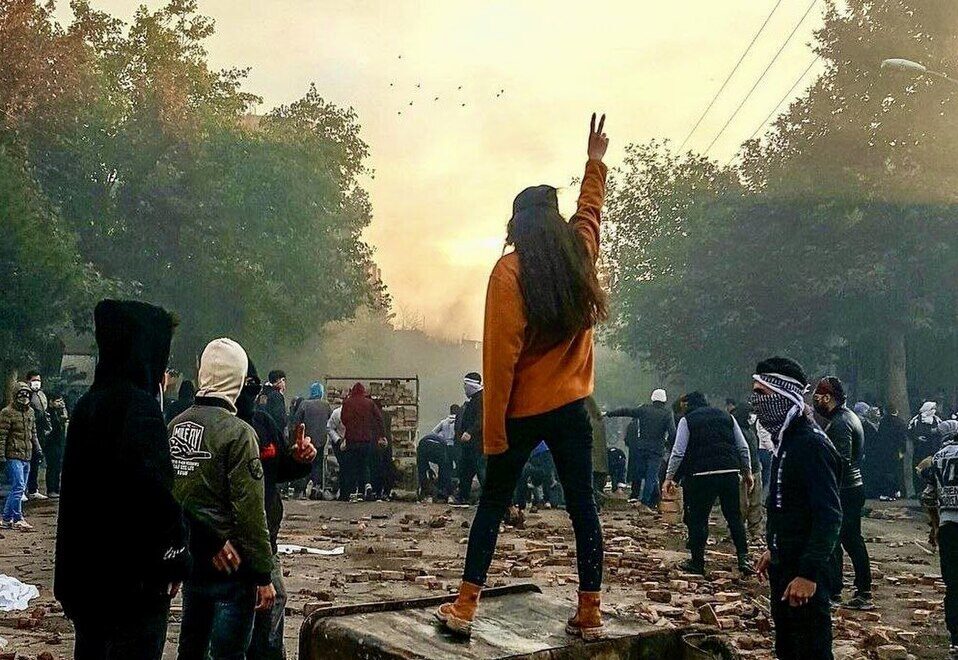
Feminist Struggles for Life
Two comrades look to Iran’s Women, Life, Freedom movement as an alternative to the statecentric matrix of oppression posed by imperialism and domestic repression.

The Far Right’s So-Called Civil War over Israel
Matt Seriff-Cullick argues that the MAGA “civil war” over Israel is in fact a staged antagonism, one that turns anti-imperialist anger into fuel for fascist imperialism.
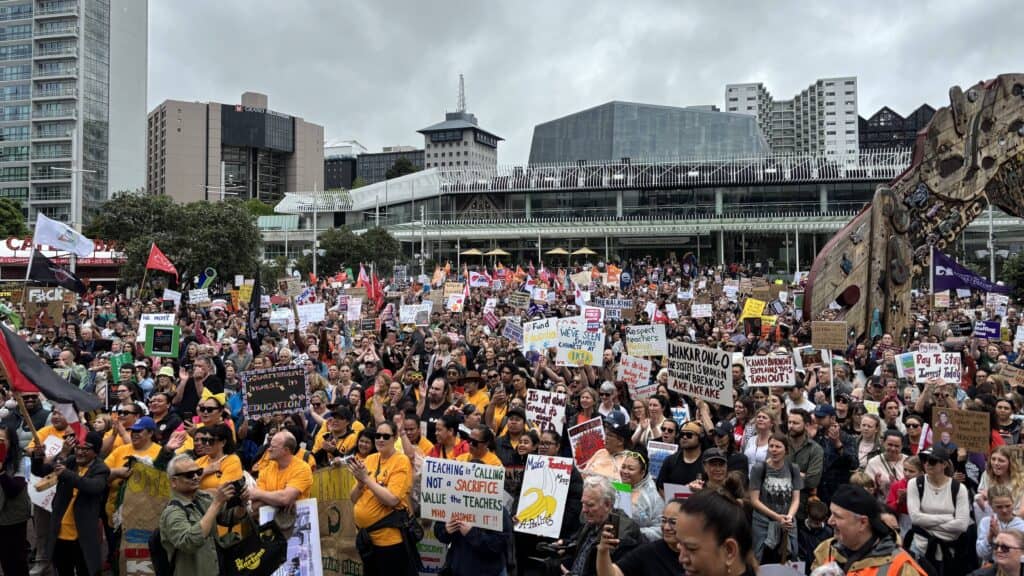
Beyond the Labour Machine
A New Zealand dock workers’ union just did something no major union has done in a century: voted to affiliate with a socialist party alongside Labour.

Friends Everywhere
Through an analysis of Star Wars, Anthony Lioi considers corporate permeability, fan agency, droid rebellion, revolutionary ecologies, and the movement of hope from art to audience.

The Minneapolis Uprising and After
Aminah Sheikh gives a powerful account of the roots and radicalism of Twin Cities’ victorious resistance and ongoing struggle against Trump’s ICE gestapo.

The University’s Deportable Workers
Abigail Boggs details how US universities have become instruments of mass immigration enforcement and what it would mean to transform them into sites of abolitionist sanctuary.